It's been about a month since we packed up Booth 207 in Orlando, and we're still processing everything we heard and learned at FETC 2026.
Four days. Hundreds of conversations. Educators, IT directors, safety coordinators, superintendents, other integrators and partners. It was a lot, and it was exactly what we needed.
We went to Orlando to demo the XSponse ecosystem live and connect with the people doing this work every day in schools. What we came back with was a much clearer picture of what districts are dealing with and where the real gaps are.
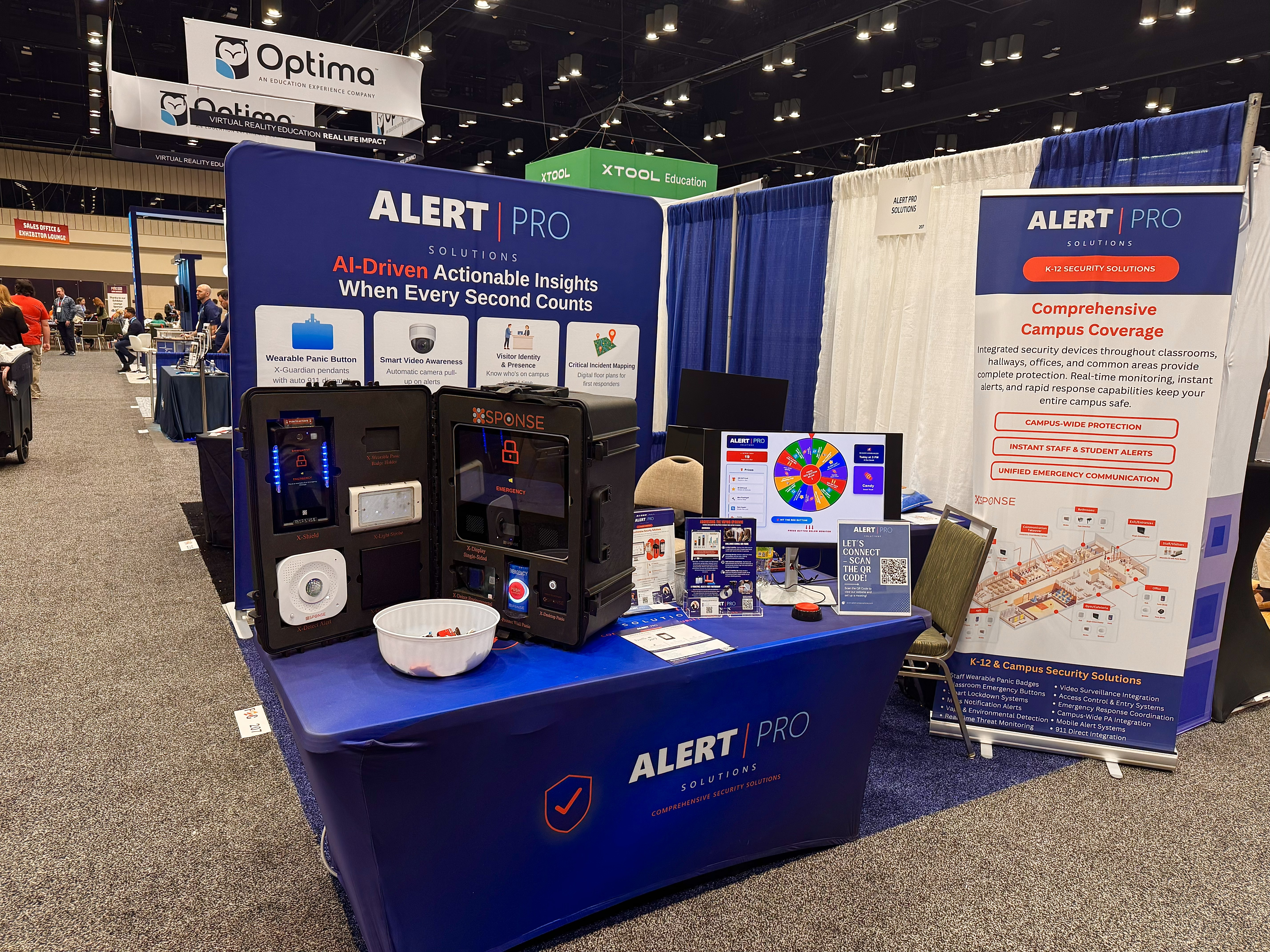
Alert Pro Solutions Booth 207 at FETC 2026 in Orlando
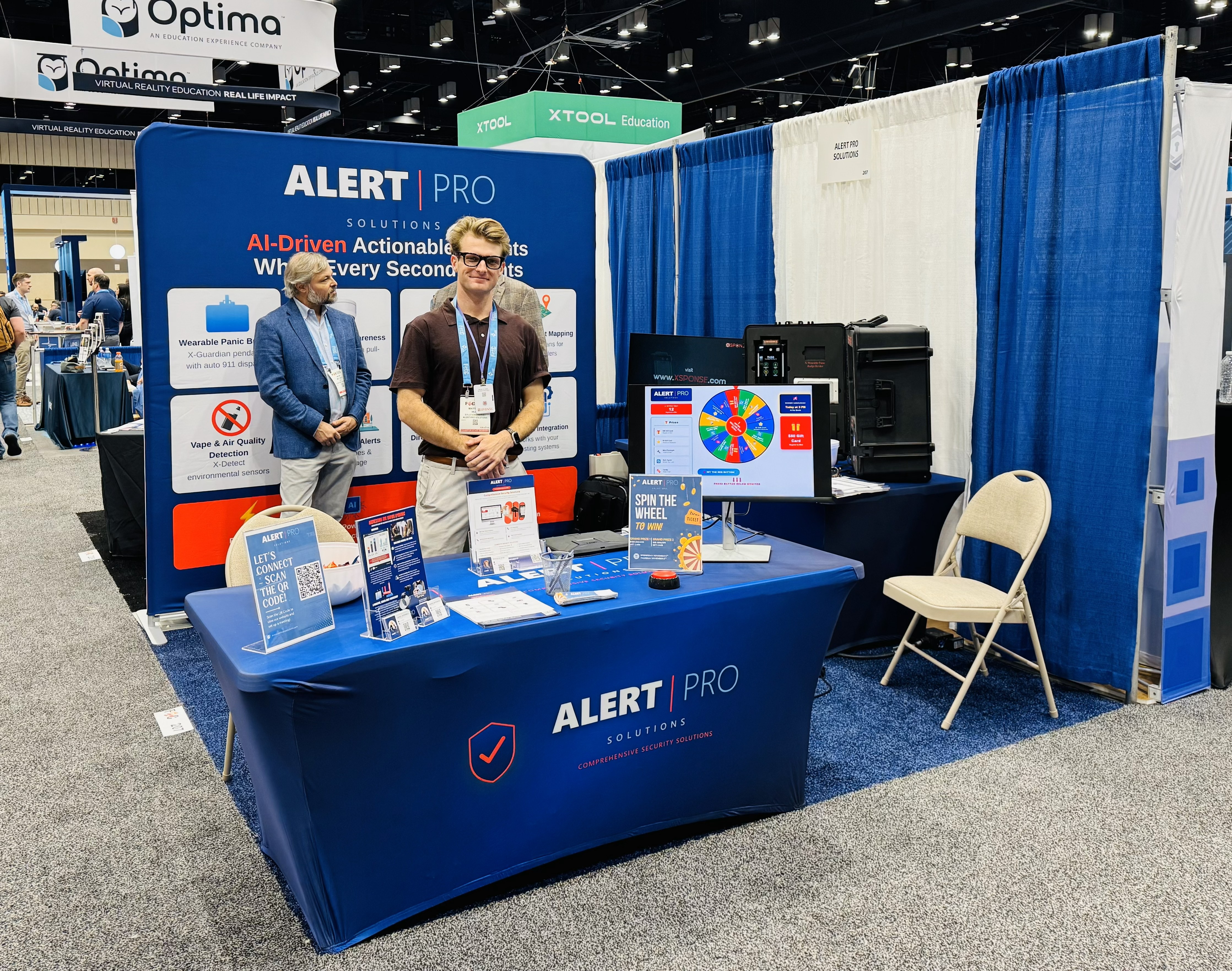
Matthew representing Alert Pro Solutions at FETC 2026
What We Demoed
Our booth featured the full XSponse ecosystem: panic buttons, badge buttons, environmental detection, automated alerts, and centralized control, all working together as one integrated platform.
But the thing that really got people's attention? Pressing the badge button and watching the automated response happen in real time.
There's something powerful about physically activating a system and seeing it work. Not a simulation. Not a video. Actually pressing the button and watching the alert go out, the system respond, and knowing you triggered it. That moment clicked for a lot of people.
We talked to teachers, administrators, and safety directors who had never seen an integrated response like that before. Many of them are still working with disconnected systems, manual processes, or no panic activation at all.
The Gap No One's Talking About
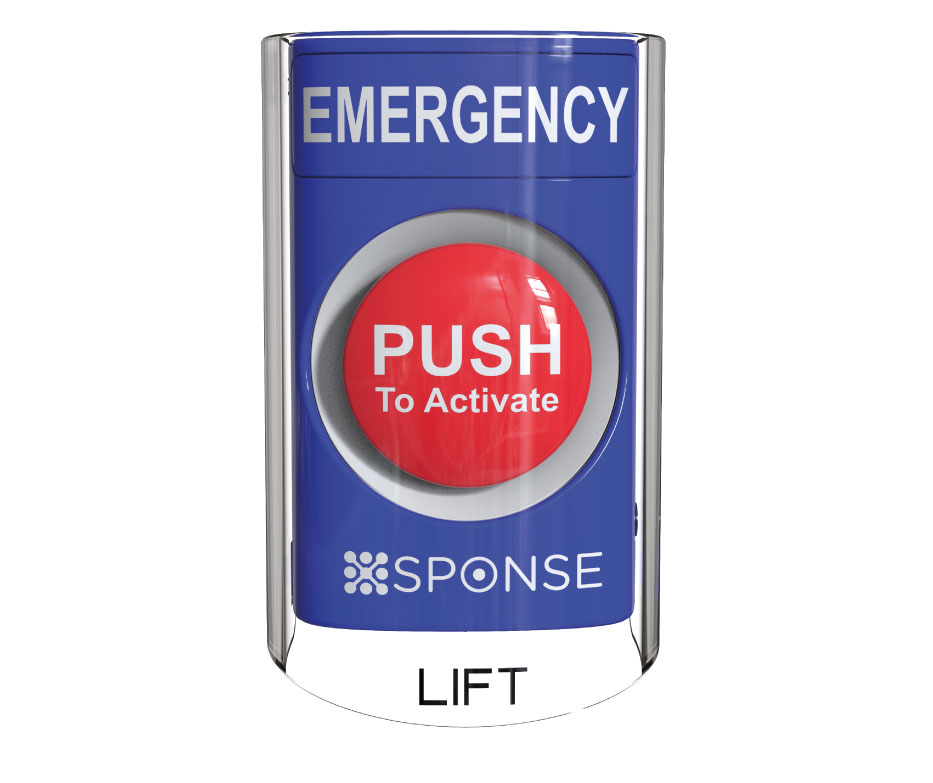
The X-Protect wall-mounted panic button. Should students have access too?
One conversation kept coming up, and it stuck with us more than anything else.
When we asked school staff if they had panic buttons for emergencies, most said yes, teachers have them. But when we asked if students had any way to activate the system themselves, the answer was almost always no.
The reasoning we heard: "The kids would press it all the time."
So we asked a follow-up question: "Is that a problem with the fire alarm?"
The answer was always no. Students don't pull fire alarms constantly. They know it's serious. They know there are consequences.
Why would a panic button be any different?
If students understand that fire alarms are not something you mess with, they'll understand the same about an emergency response system. And if a student does activate it unnecessarily, you handle it the same way you would a false fire alarm pull. The difference is this: in a real emergency, students are often the first to know something is wrong. If they have no way to alert anyone, you've created a gap in your response system that could cost time when it matters most.
That was one of the biggest takeaways from the conference. Schools are focused on protecting their students and they're looking for better ways to do it. But many haven't thought about giving students a voice in that system.
What We Kept Hearing
Beyond the student access conversation, a few themes came up again and again:
- Simple deployment matters. IT teams are stretched thin. They don't want another complex system to manage. They want something that integrates with what they already have and doesn't require a dedicated person to babysit it.
- Integration over features. Schools don't want more devices. They want systems that actually work together. Panic buttons that talk to door locks. Environmental sensors that feed into the same dashboard as access control. One platform, not five.
- Real-time visibility is becoming an expectation, not an upgrade. Administrators want to know what's happening across their campus right now, not after the fact.
- Compliance is driving action, but operational efficiency is driving decisions. Schools are responding to state mandates and safety requirements, but the ones moving fastest are the ones who see how a unified system makes their day-to-day operations easier, not just their emergency response.
Connecting with the Community
Beyond the booth conversations, we got to meet with other integrators and partners, attend sessions, and really immerse ourselves in what's happening in the K-12 space right now.
FETC is one of those events where you walk away with more ideas than you know what to do with. New connections. New perspectives. A better understanding of what schools are actually dealing with versus what we assume from the outside.
We learned a lot. And honestly, we left more energized than when we arrived.
What's Next
We're following up with every conversation we had. We're refining our approach based on what we heard. And we're continuing to build, learn, and get better.
If you stopped by Booth 207, thank you. Thank you for the questions, the feedback, and for sharing what you're seeing in your schools. It makes us better at what we do.
And if we didn't get a chance to connect in Orlando, we'd love to hear from you. Whether you're exploring emergency response options, trying to close gaps in your current system, or just want to see what an integrated platform looks like, we're here.